Featured

paragraph 1 – intro

oh, to be a student with a great life and gpa…

Be yourself; Everyone else is already taken.

— Oscar Wilde.

It’s not an easy task being a college student. As an adult with a life and responsibilities, possibly a job, multiple credits of courses to account for, student life can get pretty hectic, pretty quickly.

What does it mean to be a college student? Why are you a college student? How do you “college”?

My name is Annie, and I am a college student. If I am going to be completely honest here, this blog was an assignment for one of my business classes. It was assigned three months ago, and now I am finally beginning to work on it. Such is life and schoolwork for the typical college student when unpredictable events and life gets in the way.

I am beginning this blog in the midst of a coronavirus peak in the United States. This is unprecedented, and it has changed the lives of everyone, especially of college students. I am in my senior year of undergraduate studies as a Biology major, and I am transitioning into dental school. Many undergrad courses have gone online, and many professional schools like medical and dental schools are making the decision to begin the next academic year online. What is college, if college is now from home?

As I write this blog, I want to document this season of uncertainty as a college student, and I want to share my studying tips, caffeine knowledge, and mindful living advice for the average student willing to explore this elementary blog.

Thank you, and welcome!

Processed with VSCO with m5 preset
the blogger: annie
Processed with VSCO with m5 preset
the editor: willy

Efficient Learning: Spaced Repetition and Anki

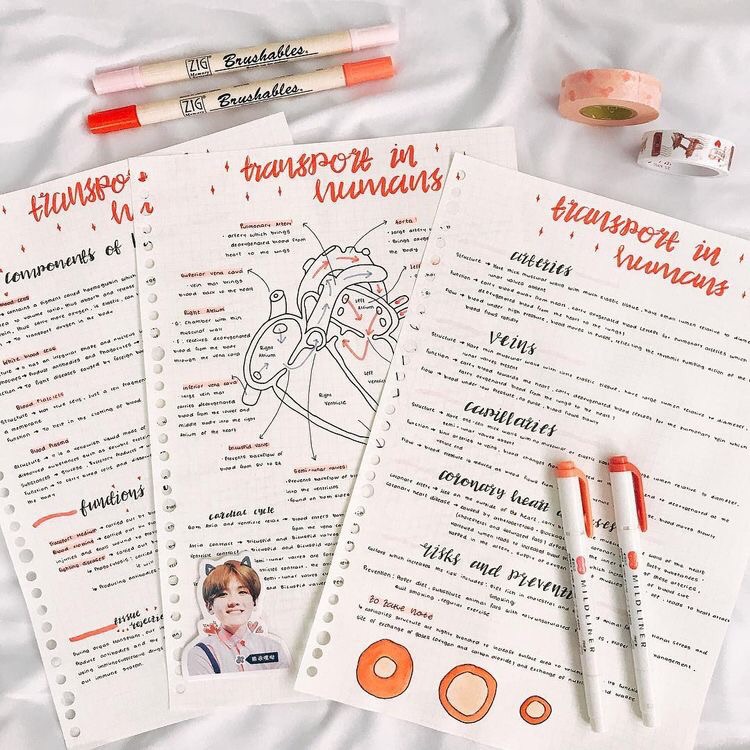
Photo credits to original owner/creator.

“What is the powerhouse of the cell?”

*flip*

“Mitochondria”

Have you ever used flash cards as a study tool? If you have, you’ve practiced a form of spaced repetition.

Spaced repetition is a form of learning that uses flashcards, in which the user studies newer, more difficult cards more frequently as older, less difficult cards are less frequently shown.

This method of learning builds upon the spacing effect. Hermann Ebbinghaus, a German psychologist that studied memory, is known for his work on the forgetting curve and the spacing effect. He found that learning was most efficient in spaced-out sessions versus a single “cramming” session (1). Information is better encoded into long-term memory when studied in intervals. When coupling the spacing effect with spaced repetition, new studies have shown that the rate of learning is enhanced.

A study in 2016 questioned whether American students spend enough time in school. Every couple years, international assessments release rankings and standings of student performance in different subjects per country, and concerns have arises as to why American students fall behind their peers in other countries. “Although the research surrounding the benefits of spaced practice for more complex kinds of learning is not as extensive as that for memory, some evidence indicates that spacing can enhance meaningful learning that generalizes to new situations” says Dr. Sean Kang of Dartmouth University (2).

Enter, Anki.

Anki is a powerful flash cards program that integrates spaced repetition into their algorithm to enhance learning and memorization. Popular among graduate, medical, and dental students, Anki is a learning tool that allows students to create flashcards and assign a level of difficulty to each card as it is shown. The program then “shuffles” the card and shows newer, more difficult cards more frequently and older, less difficult cards are shown less frequently. This program decreases the amount of time spent learning a particular subject or language as it cements information for the user. This tool is also content-agnostic and supports images, videos, and audio for endless creation of cards and topics. There are also add-ons for the program.

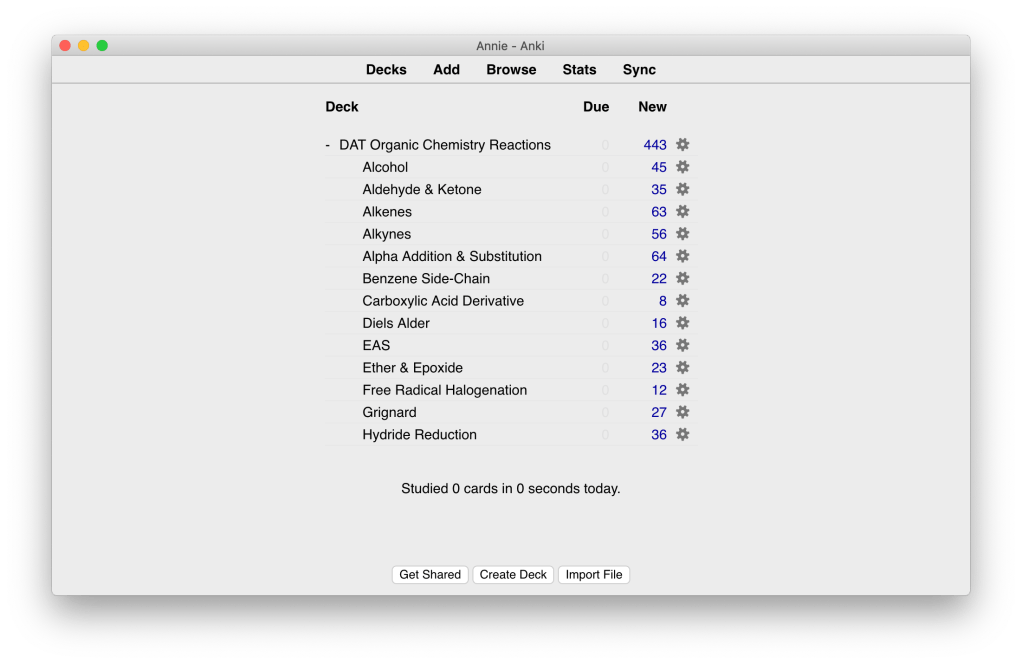
Anki deck of organic chemistry practice problems.

On Anki’s website, the creators example multiple uses for Anki flashcards, such as learning a language, studying for medical and law exams, memorizing names and faces, mastering long poems, and even learning guitar chords. Although Anki is a great studying tool, it is not a replacement for learning. Note that spaced repetition is a method of studying. Anki is a great way of cementing concepts and topics after learning and understanding the material at hand.

I spent my whole summer of 2019 inside and studying for the Dental Admissions Test (DAT). Aside from bootcamp programs, Anki was the most useful tool in helping me remember trivial facts or chemical reactions. Instead of attempting to actively recall information, Anki’s algorithm allowed me to review different topics in intervals and cut my studying time. As the website states and many students have commented, “Anki is a Anki is a program which makes remembering things easy. Because it’s a lot more efficient than traditional study methods, you can either greatly decrease your time spent studying, or greatly increase the amount you learn.”

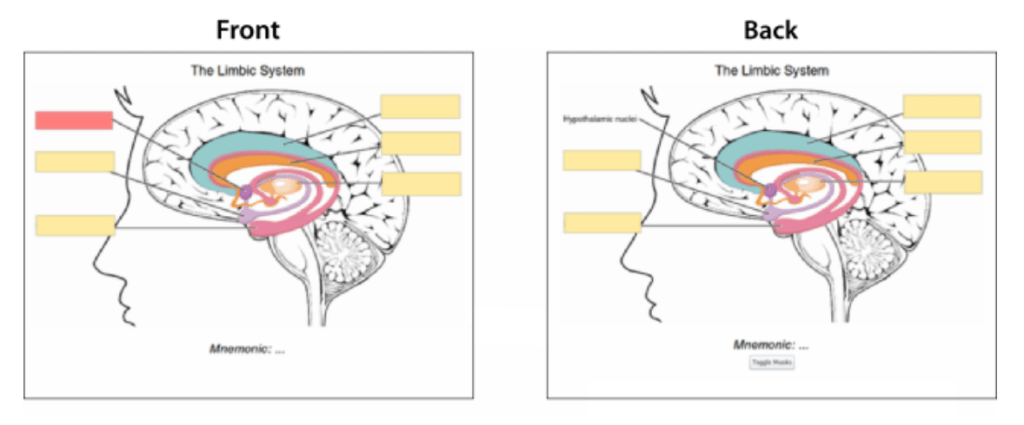
Image occlusion add-on in Anki allows the user to mask labels/names/processes in an image.

One particularly important add-on that many medical and dental students use is the Image Occlusion add-on. Instead of spending an hour learning what proteins are involved in the Krebs Cycle, I was able to add an image to Anki, use this add-on to cover up the names/steps in the cycle, and then cycle through the image by quizzing myself and uncovering the boxes masking the names/steps. This tool is especially helpful for students who are visual learners and use diagrams in their notes and studying.

Although there are many great flashcard tools and spaced repetition programs out there, Anki is awesome in the fact that your flashcards are automatically synced and saved to your account, can be used offline, and can be used across multiple/different devices. This tool has revolutionized the way I take notes (more in a post later on) and has increased the amount of information and time of retaining that information. If you’re an avid flash-carder, I recommend trying out Anki!

*This blog post was not sponsored by Anki. I’m just a major Anki fan. 🙂

References:

  1. The Editors of Encyclopaedia Britannica. (2020, February 22). Hermann Ebbinghaus. Retrieved March 14, 2020, from https://www.britannica.com/biography/Hermann-Ebbinghaus
  2. Kang, S. H. (2016). Spaced Repetition Promotes Efficient and Effective Learning. Policy Insights from the Behavioral and Brain Sciences, 3(1), 12-19. DOI: 10.1177/2372732215624708. https://www.dartmouth.edu/~cogedlab/pubs/Kang%282016%2CPIBBS%29.pdf

The Science of Caffeine and its Mechanism of Studying

Imagine this: it’s 7 am. You stayed up until 4 am with short 15 minute naps here and there finishing up your lab write-up and studying for Exam A and Exam B (both of which, are back-to-back). Since you’ve got a couple minutes left, you’re thinking about grabbing a cup of coffee (or, you’ve been on coffee since 8pm last night).

Sound familiar? I think this is a universal college-student-thought-process on the morning of an exam. The question is, how effectively is caffeine as a study aid? How does it affect your ability to retain/recall information? What is the mechanism of action of caffeine and what is its effect? What is its “mechanism of studying”?

For the STEM majors that are reading this post, here’s a quick anatomy/chemistry session. Adenosine is a nucleoside base that binds to adenosine receptors. This binding action in slows nerve cell activities, causing drowsiness as it facilitates sleep and dilates the blood vessels (for oxygenation during slumber).

Caffeine is a central nervous system stimulant and is the world’s most widely used psychoactive drug. Caffeine is an antagonist at the level of adenosine receptors because it blocks adenosine from binding and triggers the opposite effects. It induces vasoconstriction (constriction of the blood vessels) and increases sympathetic activity (the “fight” response in “fight or flight”). There are also other modes of action of caffeine: increasing intracellular calcium and competitive inhibition of phosphodiesterase; however, these effects are only triggered in very high doses of caffeine. Long-term effects of habitual use of caffeine include anxiety, depression, increase in cravings, and poor sleep quality.

Photo credit: Daniele Jesus / EyeEm

As a biology/chemistry major, the mechanism of action of caffeine is common knowledge and its vicious cycle of exponentially demanding more caffeine intake is something I’m wary of, but why do I (along with many other college students) keep drinking coffee?

As mentioned before, caffeine blocks the binding of adenosine. Do you know where adenosine is most concentrated in the body? It is found in the hippocampus (emotion, long-term memory consolidation), hypothalamus (sexuality, hunger), cortex (information processing), and cerebellum (movement). Although there is not conclusive evidence to suggest caffeine’s behavior effects, there is widespread debate upon caffeine’s effect on “higher” cognitive functions like problem solving and information consolidation.

Studies have shown that caffeine improves :

  • Reaction time
  • Vigilance
  • Attention
  • Mood

Additionally, caffeine is known for its mood-enhancing qualities, which can be attributed to its dopamine inducing effects.

However, there is inconclusive evidence pertaining to caffeine’s effect on acute memory. Although there is inconclusive evidence, this may be attributed to the the different memory task being studied. On the other hand, chronic memory has been generally studied and suggested to have positive long-term impacts, such as the reduced risk of neurodegenerative diseases like Parkinson’s, dementia, and Alzheimer’s.

Researchers suggest that caffeine is dose-dependent and depends on the tolerance of the user. With that being said, the recommended dosage of caffeine is about 300 mg per day (about 4 cups of coffee) for optimal performance with least side effects. There is not enough information to suggest bodily/neural dependence on caffeine as a stimulant; however, it is always safe to assume that too much of anything is not good.

Overall, caffeine’s effects are beneficial to students when used in moderation and when combined with the right personal studying techniques. (Check out my Study Tips!)

References:

  1. McLellan, T., Caldwell, J., & Lieberman, H. (2016). A review of caffeine’s effects on cognitive, physical and occupational performance. Neuroscience and Biobehavioral Reviews, 71, 294-312. doi:https://doi.org/10.1016/j.neubiorev.2016.09.001. https://www.sciencedirect.com/science/article/pii/S0149763416300690

Apps that motivate productivity – College 101

“oOh gEeZuS, I NEED TO FINISH THIS NOW!”

Have you ever found your brain screaming that thought to you? Like, what is motivation at this point? I find myself in this situation more often than I’d like to admit. With technology and the internet at the touch of my fingertips, it’s easy to get lost as you wander across websites and videos and blogs. How do you combat this? You can’t just “turn off” the internet. Besides, you need the internet for your homework and studies. What do you do?

Throughout my college career, I’ve made it a habit to create a routine and stick to my schedule for the day in an attempt to curtail Youtube adventures and Tiktok discoveries. There is a long list of apps that so-call “boost” productivity and motivation. As a seasoned app trial-er, I have prepared a list of the best apps that help you focus and stimulate efficiency (in my humble opinion). Not to mention, these are all free!*

Of course, Google Docs and Dropbox and a calendar app are all essentials when it comes to student-ing. Those are what I call “However, what constitutes a “productive” app? Here are my certain criteria when it comes to using an app to help me focus and be productive:

  1. Must be aesthetic
  2. Must be engaging
  3. Must have an objective

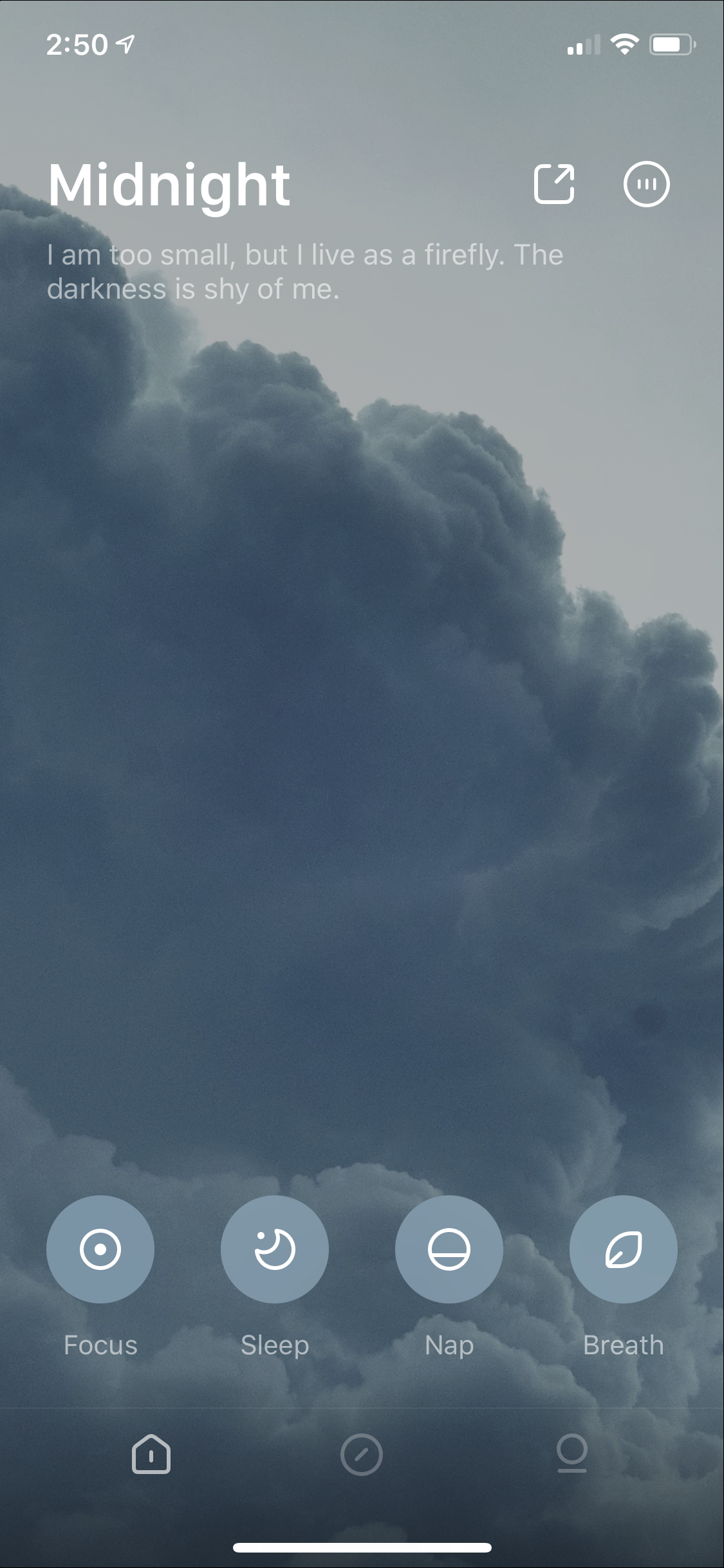
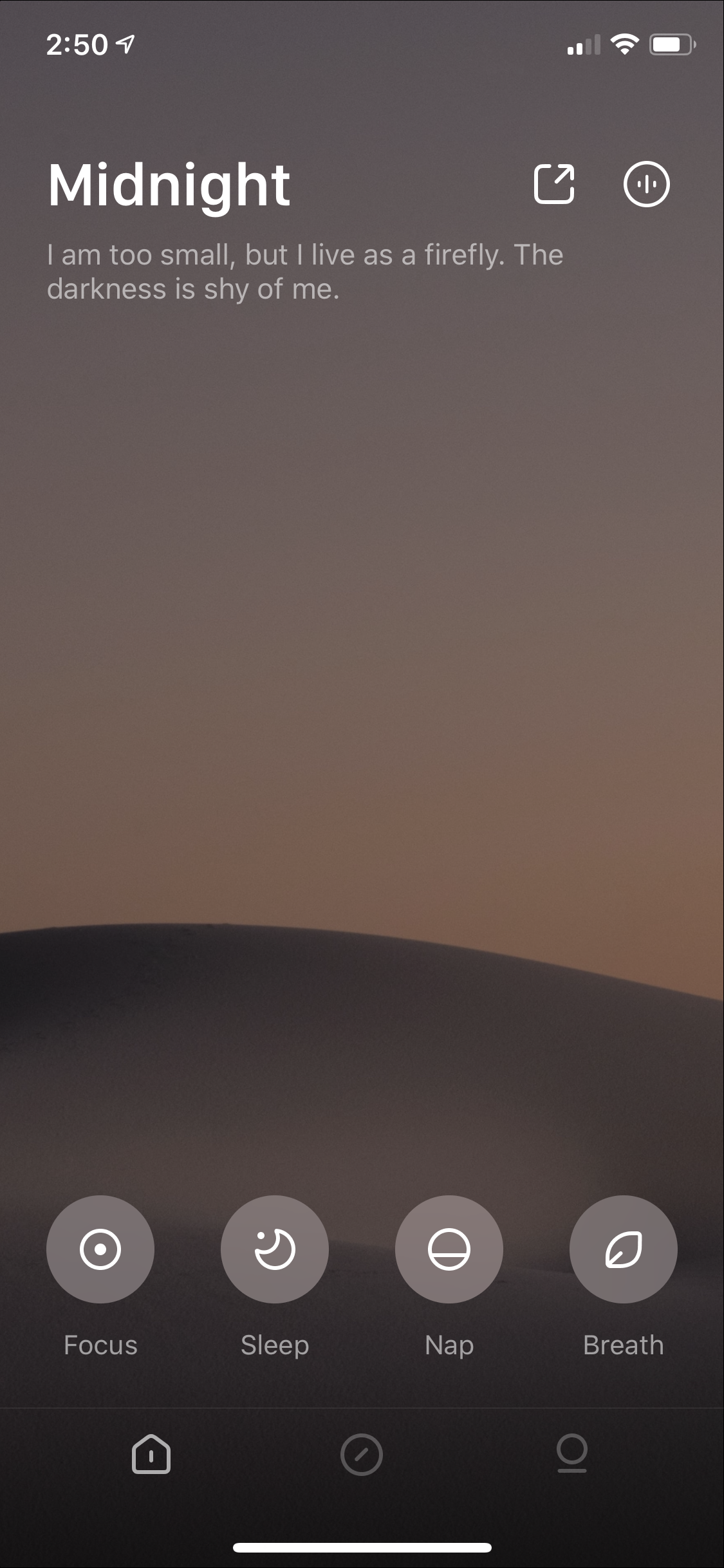
Tide: Sleep, focus, meditation

This app is inspired by nature and traveling and aims at both physical mindfulness and mental care as it integrates peaceful audio and natural sounds to relieve stress, stay focused, relax and chill, and sleep sounder at night. This app allows you to set timers for focusing and meditation, and if regularly used, you can track your time spent studying, sleeping, or meditating. Although this app is not the most engaging one on this list, it has very nice visuals and aesthetics, which are crucial in allowing yourself to be immersed in your work/environment and maximize mindfulness. You can upgrade and obtain more sounds if you purchase a plus membership (the free stuff is pretty sweet though).

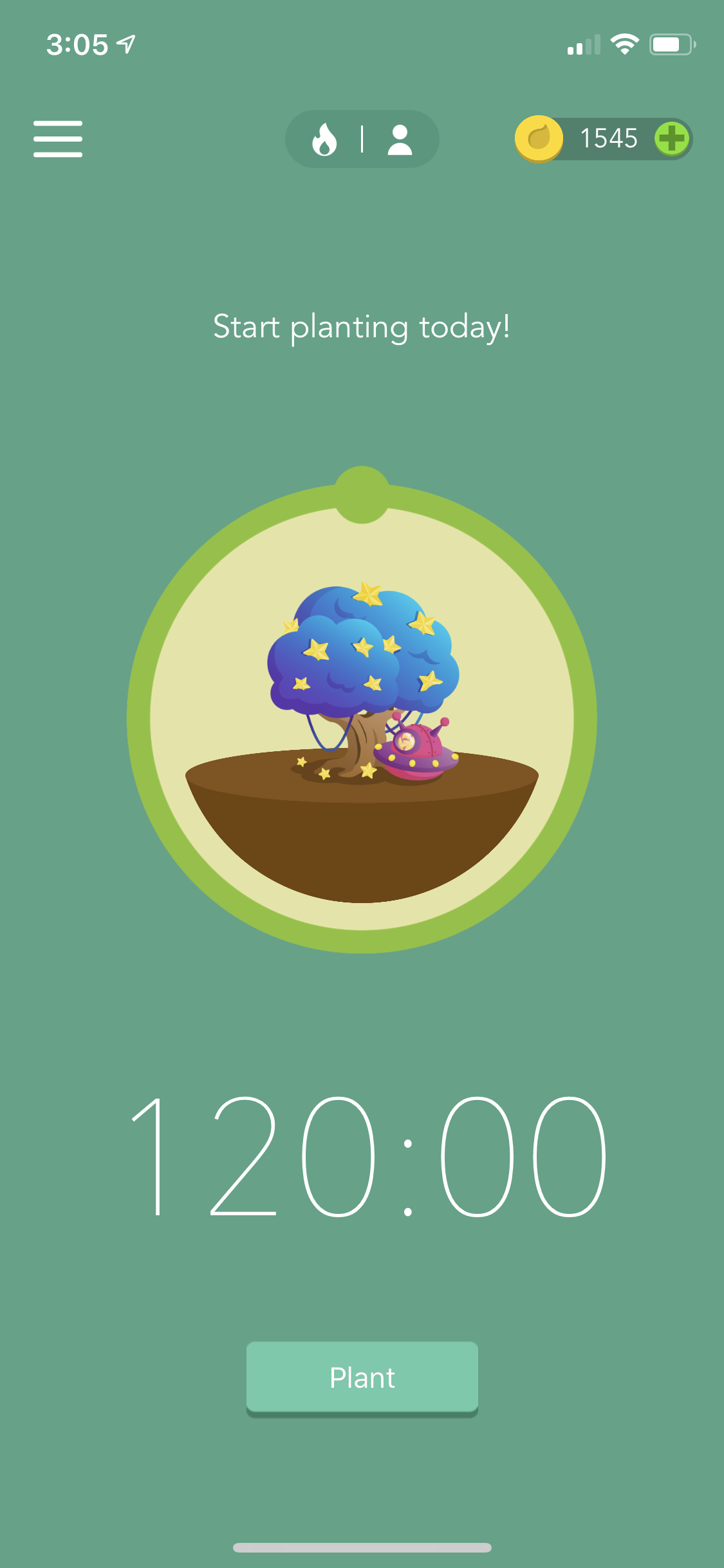
Forest – Stay focused

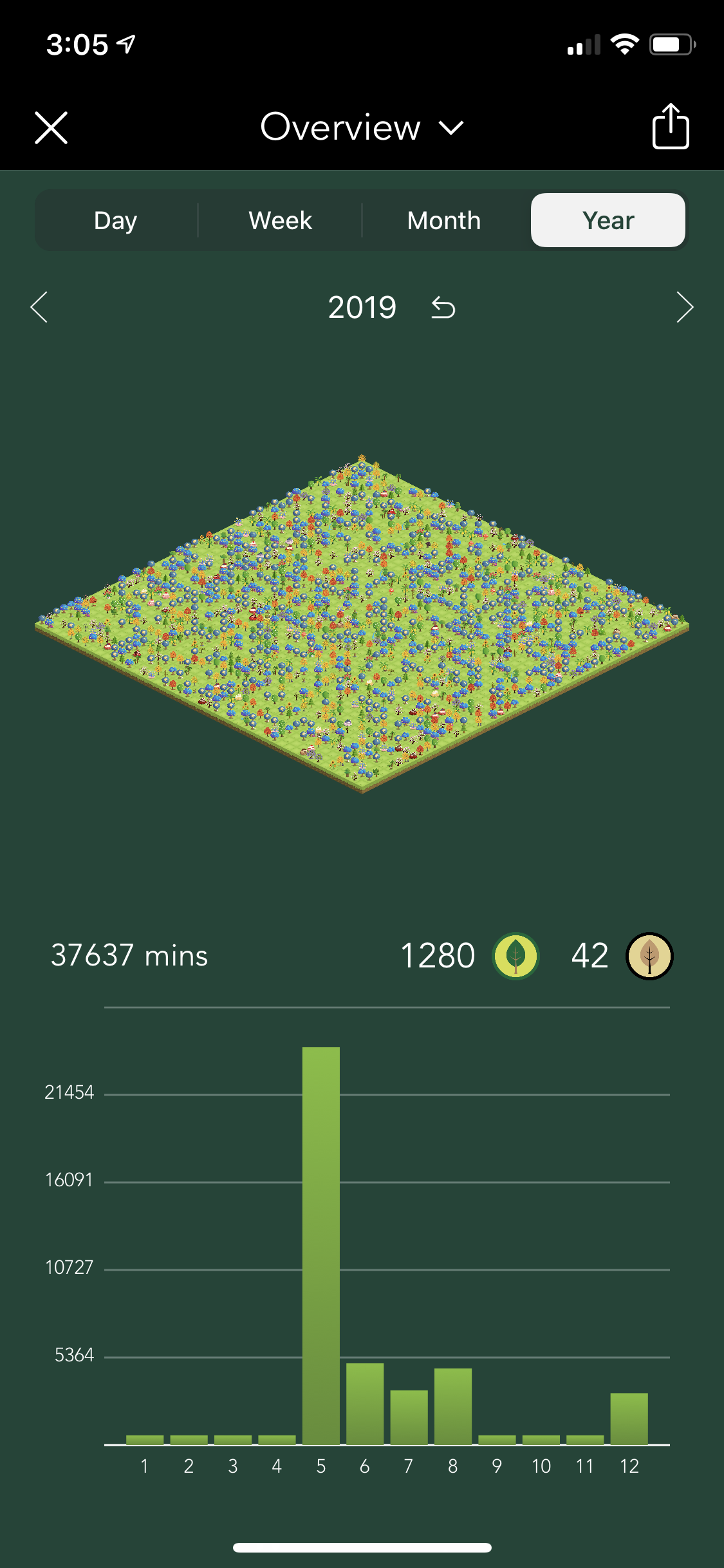
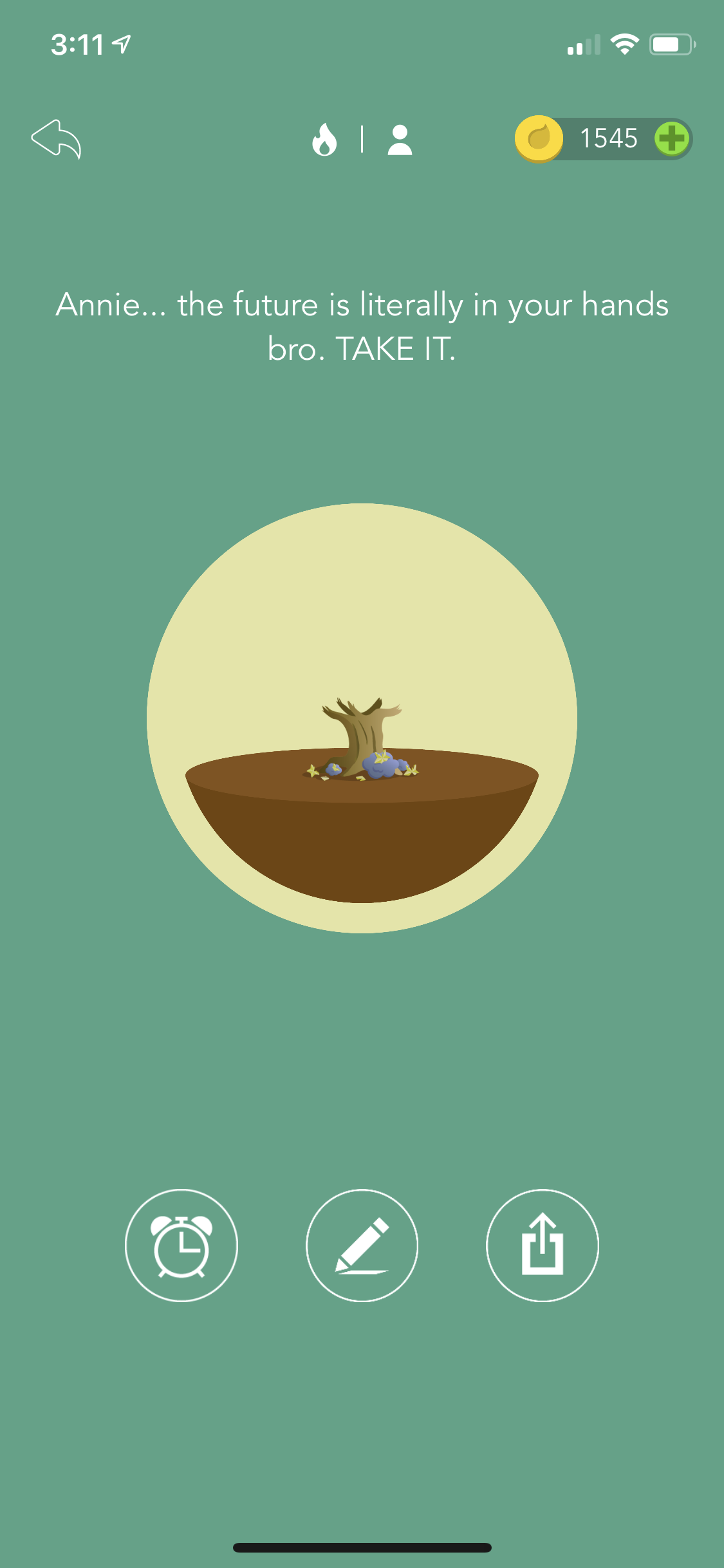
This app has a very simple objective: plant trees to stay focused. By setting a timer, you plant a seed that will grow into cute tree or shrub at the end of the time. If you leave the app (or unlock your phone) and go onto a different app, your tree withers and dies. You can unlock more colorful trees and label your timers to track how much time you spent studying, working, using social media, etc. Additionally, this app has relaxing sounds to choose from such as soothing rain and a cheery rainforest. This productivity app easily checks all three criteria, and a huge bonus when using this app: real trees are planted on Earth from donations to the app or from users “unlocking” a real tree. From this app, approximately 700,000 trees have been planted on Earth, and the numbers are still climbing.

Focus To-Do: Focus timer & tasks

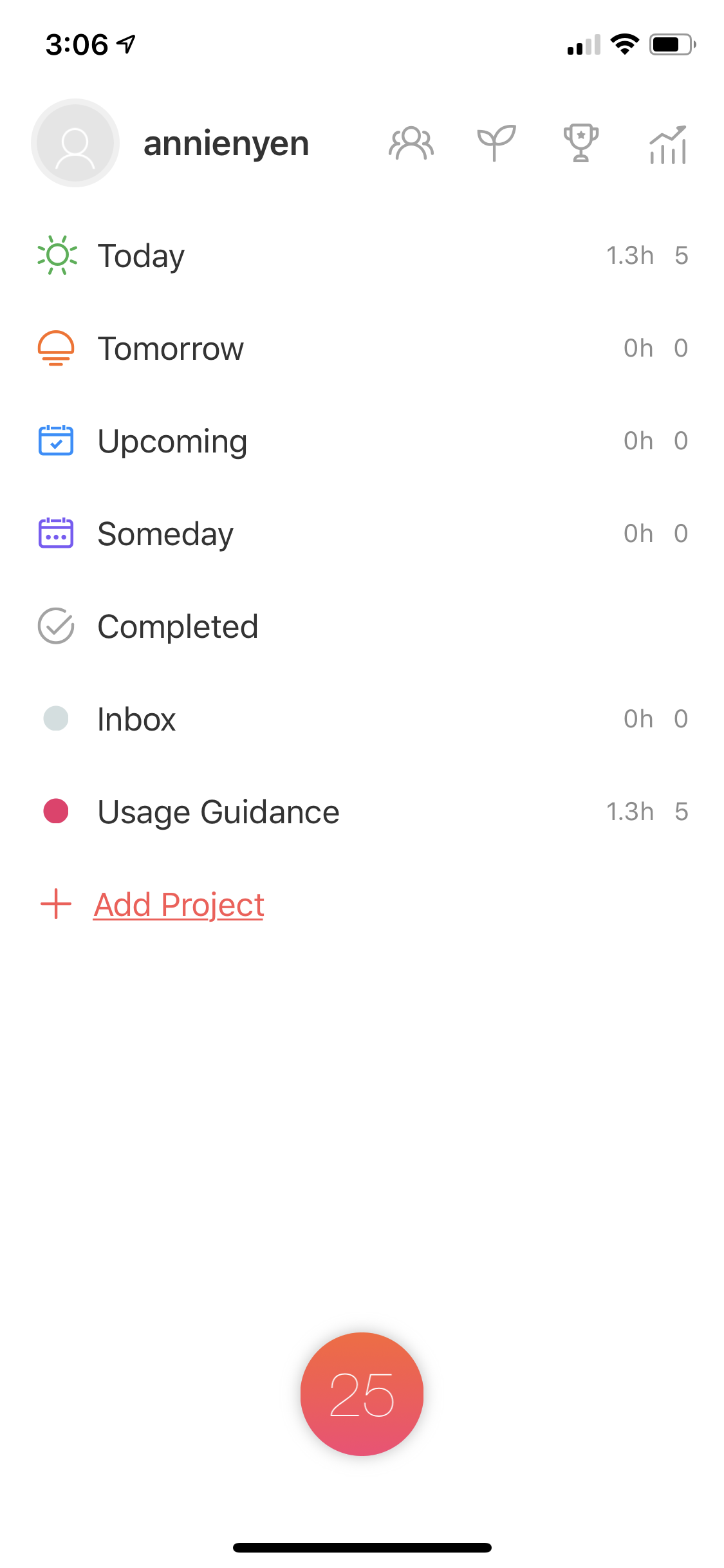
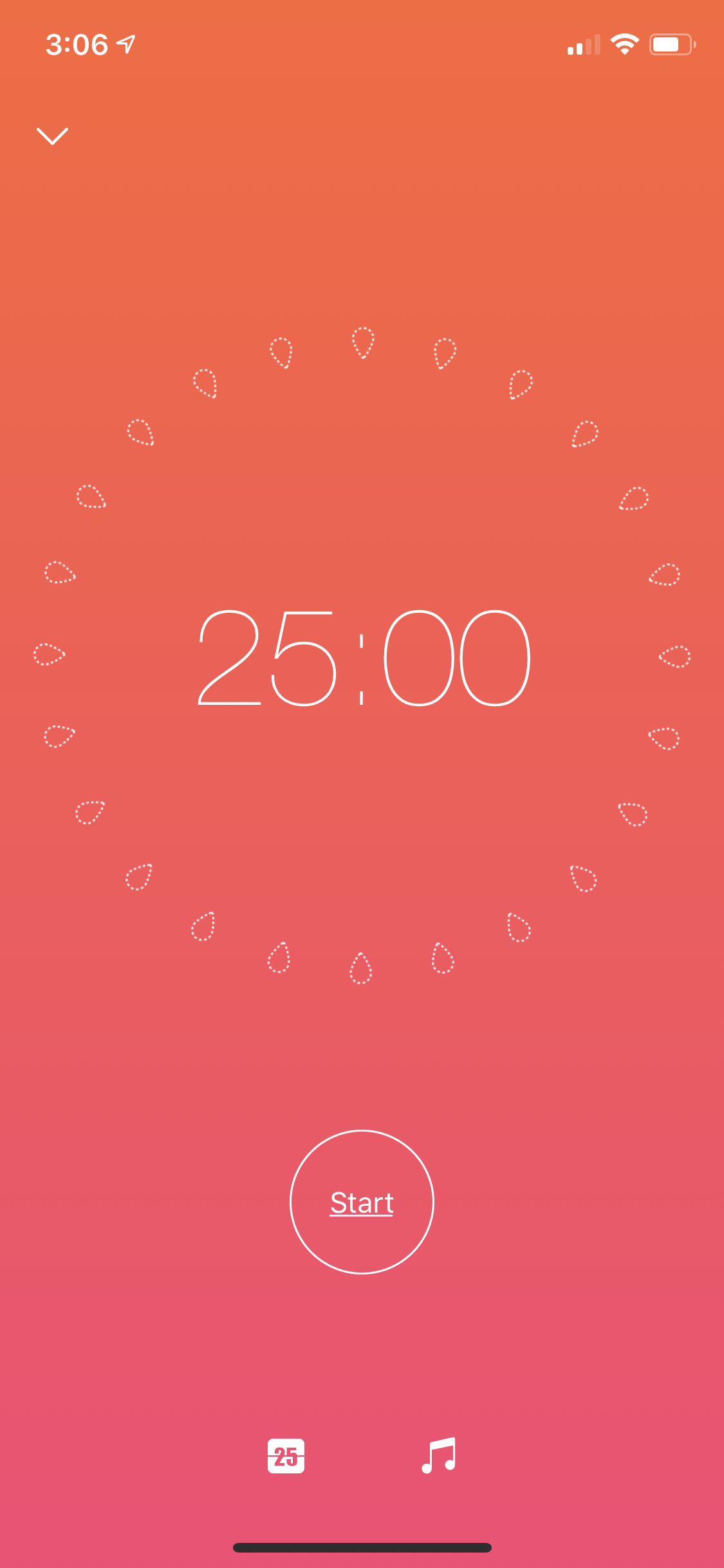
This app is a Pomodoro timer for working and studying. Its algorithm is based on the scientific Pomodoro technique, a method of working in 25 minute intervals with 5 minute breaks. You are able to organize your tasks into to-do lists, track how many tasks you have finished, utilize a focus timer, and set reminders. The task managing and organizing capabilities is extraordinary and allows multiple layers of categories. The reward in this app comes from viewing all the finished tasks and analyzing a colorful chart of time management. This app is more of a “managing” app; however, it is very organized and has various white noise and relaxing sounds to incite moods of efficiency and productivity.

Plant Nanny

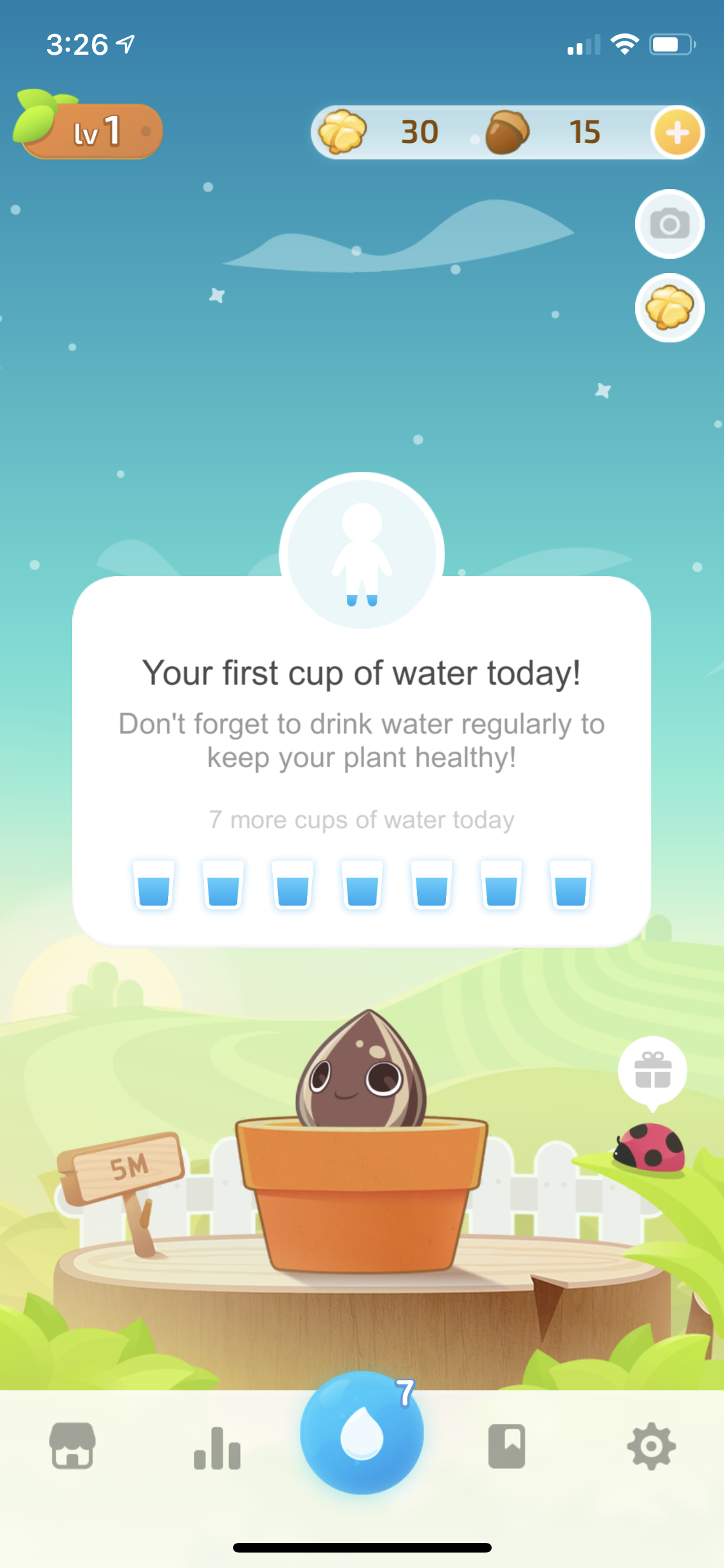
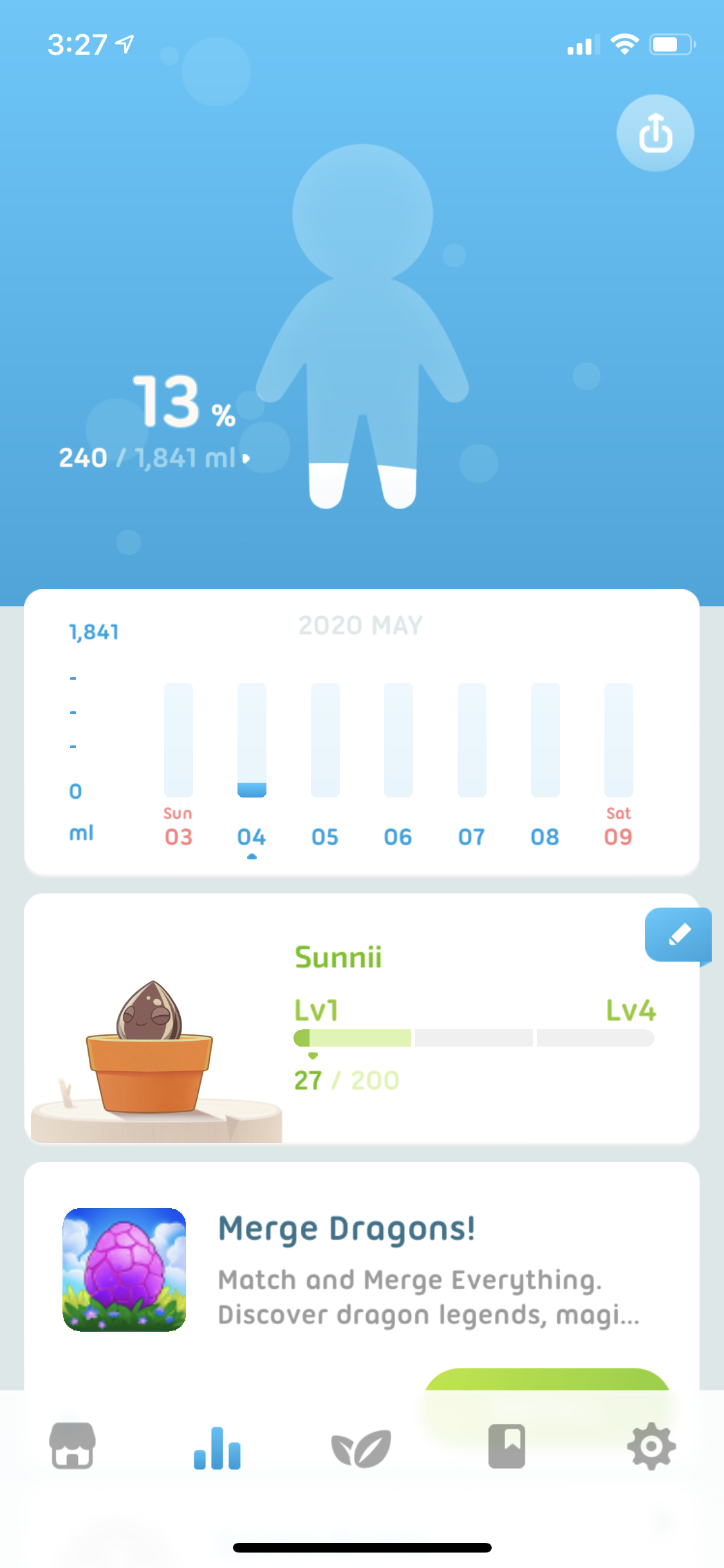
Although this is not particularly a “focusing” app, I use this app on a daily basis for a different type of productivity: physical care. Plant Nanny is a cute app that reminds you to drink water throughout the day. I find that it’s easy to replace my water intake with pure coffee or tea or simple forget to drink water throughout the long day. With Plant Nanny, you input your weight and the app will notify you that it is time to drink a cup of water. There is a motivation objective to this game (much like Forest): you plant a seed, and each time you drink water, you water the seed. By the end of the day, if you have taken in your water goal, your seed grows into a cute, cartoon plant. You can unlock different plant species and track how much water you’ve drunken throughout the day, week, and month.

All of these apps are available on Apple and Android. Each app has its pros and cons. Together, these apps offer a powerful tool for discipline and working. Procrastination is no excuse, especially when we have technology to aid us in our studies.

*Each app does offer in-app purchases or upgrades to a premium plan.

Medical, Dental, or Pharmacy School? A student’s perspective

You’ve done your work, you’ve put in your hours, and now you’re wondering, “what the heck am I doing?” You’re at a crossroads between medical and dental school and pharmacy school. What is the best option?

Choosing your career path is a journey of discovery.

I am a senior Biology major. I have changed my major 6 times. I have 50+ hours shadowing doctors and PAs, I work as a pharmacy technician, and I recently got into LECOM School of Dentistry. It took me almost 5 years to decide on my career choice. I wasn’t one of those kids who “knew I wanted to be a doctor since I was 6.” It took hours of research, more hours of shadowing, and even more hours of studying and securing a spot at a school.

The best advice I can give on this journey to finding your career choice: Journal your experiences. Reflect on what you learned, what you want to learn, and what you want to see in your future. There are many reasons why some people want to go into a certain field. How do you know which option is the best FOR YOU?

Reflection is key.

1. Why do you want to be in healthcare?

Take a mental walk with yourself. Why do you want to be in healthcare:

  • To educate people in health
  • To serve the underserved communities
  • To improve peoples’ self-confidence and self-esteem
  • To save lives
  • To change lives
  • To make money
  • To have a good lifestyle
  • To offer guidance and motivation to others
  • To work with patients
  • To work hands-on
  • To do research
  • To teach

2. What are you willing to sacrifice in order to work in healthcare?

It’s no mystery, healthcare is a field in which many sacrifices are made. Sacrifices can be: time, money, hobbies, even your health. Professional school is a grueling battle with the books, which can take a toll on your mental and physical health if you do not balance. With the current COVID-19 situation, there is an alarming number of healthcare professionals falling ill to fight this pandemic war. What are you willing to sacrifice?

  • Health
  • Debt expenses
  • Residency and fellowship periods
  • Expensive study materials for MCAT/DAT/PCAT
  • Time spent studying

3. Have you shadowed and gotten experience?

I cannot stress enough the importance of shadowing. I thought I wanted to be a doctor all throughout high school and into my freshman year. I didn’t realize I like dentistry until I tagged along with a friend shadowing a dentist. The experience was fun and awe inspiring. If I hadn’t shadowed, I might still be on the pre-med track, but I would never have discovered a new passion and perspective on healthcare.

  • Medical school: Shadow doctors in all fields. Shadow physician assistants. Shadow nurse practitioners. Talk to medical students. Follow medical students on social media or on their blogs/vlogs. Volunteer at a local hospital, urgent care, and underserved clinic. Get experience in triage. Work as a phlebotomy assistant or medical scribe. Get direct patient care hours.
  • Dental school: Shadow dentists in all fields. Shadow oral maxillofacial surgeons, shadow orthodontists, shadow pediatric dentists. Talk dental students and follow their social media and blogs. Dentistry doesn’t offer as many jobs and volunteering experience as medical schools, so shadowing will be your biggest exposure to the dental field. Not to mention, many dental schools have a requirement of shadowing hours. If you get the opportunity to work as a dental assistant, do it.
  • Pharmacy school: Shadow pharmacists in all fields. Shadow a hospital pharmacist, retail pharmacist, and research pharmacist. Talk to pharmacy students and follow them on social media and blogs. Work as a pharmacy technician. Volunteer at a non-profit pharmacy for underserved communities.

Journal your experiences. Jot in down in Apple notes, or find a cute notebook at a department store to write your thoughts down. Record everything. What did you learn? What do you want to learn? Did anything affect you? How do you feel about this? What do you see in your future?

4. Which profession resonates most with your passion?

To answer this question, you have to gain experience in the field. You have to find what you truly love about healthcare, or if you love healthcare at all.

As I said before, journal your experiences so you can go back and reflect on yourself.

Why dentistry? The path to dental school

I’m at a crossroads. I’m only 20. a How in the world am I expected to choose what to do for the rest of my life?

After changing my major 6 times, shadowing doctors and physician assistants for 100+ hours, researching in a mad scientist’s lab, volunteering at the nonprofit shelters and clinics, and working as a pharmacy technician, I finally decided. I wanted to become a dentist. I didn’t have an “aha!” moment. I didn’t grow up and “knew I wanted to become a doctor since I was 6.” I didn’t have parents who were doctors. I was simply a regular citizen with a regular goal: going to college and getting a job. So, how did I find out what I wanted to become?

The number one advice that was given to me by my pre-health adviser was: Journal. Document your experiences in healthcare. What did you learn? What do you want to learn? How did this experience make you feel? Do you see yourself doing this in the future? Are you excited? Are you nonchalant? What makes your spirit jump?

I knew I liked science, I knew I liked art, and I knew I like solving complex problems. I knew I wanted to help people and change the world. From this, I narrowed my paths to healthcare. This is where my undergraduate major changed 6 times. As I shadowed doctors and dentists, I journaled. After 3 years, I pulled out this raggedy, coffee-stained journal and this is what I found that resonated with me the most:

Why I chose dentistry:

  • Artist, engineer, scientist all-in-one
  • Hands-on work
  • Direct patient care, extensive patient relationships
  • No two patients are the same
  • Improve peoples’ appearance, self-confidence, & self esteem
  • Bodily hygiene/health begins with oral hygiene/health
  • Able to practice preventative care
  • Able to practice cosmetics
  • Immediate impact on patient, see results asap
  • Able to educate others
  • Demand for minority dentists
  • Demand for dentists in underserved areas
  • Freedom; able to decide your plan of care
  • Not as constrained by insurance
  • Ability to change lives

I read a fellow dental student’s perspective on dentistry, and he said that dentistry is not life-saving, but rather life-changing. “Dentists work in the millimeters, yet through this work they change lives indisputably at a greater level.”

With choosing dentistry, you have to consider what a career in dentistry may cost. There is a huge time investment when it comes to any healthcare profession, for studying and for paying debts. The cost of the DAT is $475, and the average student applying to 8-12 dental schools cost about $1,400. The average total cost for in-state dental students is $251,000, and for out-of-state students, the average total cost is $322,000 (according to 2019 figures). However, in my humble opinion, this is a small price to pay when you get to practice in a field that you’re passionate about (and get paid for it).

In dentistry, there are a number of specialties and routes you can take after completing dental school:

  • Endodontists (root canal specialist)
  • Oral and maxillofacial surgeon
  • Orthodontist (alignment specialist)
  • Pediatric dentist (children specialist)
  • Periodontist (gum specialist)
  • Prosthodontist (replacement specialist)

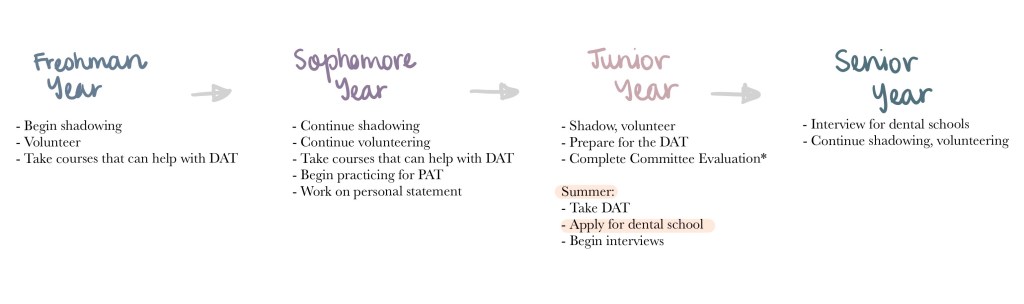
So, how do you get into dental school? Here’s a summarized timeline:

To study for the DAT, I used only one source: DAT Bootcamp. This source was all I needed to achieve a 20. There are many other students who used this resource and got higher scores. DAT Bootcamp offers free study notes and PAT practice. A subscription only lasts 90 days, so I bought a subscription 90 days before I took the DAT.

After taking the DAT, I applied to schools and began interviewing into and throughout my senior year of college. Dental schools offer acceptances on a rolling basis after the first round of acceptances in early December. I also continued to shadow and volunteer to bolster my application in the event that I didn’t get in during this cycle.

However, with COVID-19 still touring the streets of the United States, there has already been major changes to this year’s application cycle. Prometric Test Centers have been closed, and many people’s DAT exams have been rescheduled into August and September. Dental schools have been cutting their required shadowing hours and have turned to online interviews for the rest of this year’s cycle. Although AADSAS (the dental school application portal) is still scheduled to open on regular time, there is a lot of confusion and speculation as to how soon applicants are going to be able to submit. Normally, an applicant will submit early on, after taking their DAT. Now, with a lot of exams pushed back, I suspect that next year’s cycle may be a little later and take longer to fill.

However, in the midst of this confusion and uncertain time, this situation can bring light to prospective dental students and how dentistry can operate in a time like this. Dental offices are still open to emergencies, and some dentists and residents are even volunteering at testing sites, hospitals, and urgent cares to administer their knowledge in medicine and health. Additionally, prospective students will be able to see which dental schools are accommodating to their students and hard times vs. dental schools that are not offering help.

This pre-dental journey is based off of my experience. Don’t hesitate to contact me if you have any questions or concerns!

Productivity, a Theory

productivity

pro·​duc·​tiv·​i·​ty / noun

  1. The quality or state or being productive
  2. Having the quality or power of producing, especially in abundance

How does one achieve productivity? What does it mean to be productive as a student?

After being in quarantine due to COVID-19 for three days now, I contemplate this abstraction. How can we be productive in the midst of a pandemic quarantine? Productivity can mean a variety of things to students. It can mean finishing work before or on time, balancing work and school, or learning something new.

Procrastination

As an expert student, I am very well-versed in procrastination. When I think of productivity, I usually ask myself, “how do I beat procrastination?” I believe the key to beating procrastination and achieving productivity lies in mindfulness and control of emotion. Not time-management. I’ll say it again, not time-management. Time-Management is more of a by product of productivity.

The root of this productivity (and procrastination) is mindfulness, being in control and aware of the moments and what is happening around you. Why?

Mindlessness, the lack of awareness, can control you, without you even noticing. Do you sometimes find yourself driving and suddenly you’re already at your location? Or, opening a bag of chips and now you’ve suddenly eaten all of the chips? This happens too when attempting to tackle homework or studying. I find myself robotizing note-taking and not paying attention to what I’ve written or read. This can slowly eat away at your time and cause you to feel unmotivated to continue. The urge to procrastinate kicks in.

The key to productivity is mindfulness and control of emotion.

How do achieve productivity?

1. Practice mindfulness.

Be in tune with your surroundings and pay attention to how you’re feeling and what is taking up your time. There are recent studies to suggest that your current emotions affect the rate at which you complete a project or task. Happier people tend to get more work done than when under pressure or are angry.

2. Identify your emotions.

If you aren’t able to talk about your emotions clearly, you may not be able to think about how you feel clearly. Expand your emotional vocabulary in order to attain emotional awareness. Once you are able to have emotional clarity, you can identify your emotions and address them.

3. Focus on the most important tasks first.

Focus on checking off your important tasks first. Sometimes, we procrastinate by doing less important things, like completing a homework assignment due next week instead of studying for an exam that’s tomorrow. Be efficient and effective. Laura Earnest of Whole Life Productivity says, “Efficient is doing things right and effective is doing the right things. So the most productive people work on the high value tasks, making sure that how they are doing those tasks is the best way.

4. Make a distraction list to stay on task.

Oftentimes, you can find yourself suddenly remembering to take the trash out or a new Instagram caption idea, which are both tasks that have value and importance.

They just aren’t important right now.

So, write them down in a “distraction list” and get back to doing your task. Whenever you get to a stopping point or are taking a break, you can do these smaller tasks or add them to a bigger to-do list.

5. Take breaks.

There are extensive studies and research to show that taking breaks is very effective. The basis of the Pomodoro Technique is taking a 5-minute break for every 25-minutes of work.

It is important to distinguish taking breaks from distractions. Be proactive and mindful during the break. If the break time is not scheduled, then it is possible that the break is actually a distraction.

As I write this entry, I found a great blog about emotional fitness and productivity by a therapist. The fact is, procrastination is completely normal and the human response to procrastination is His viewpoint and explanation of productivity is exceptional and professional. As an expert student, I saved that blog post for future reference.

The Pomodoro Technique: Interval Studying

Study… 5-minute break… Study… 5-minute break.

The Pomodoro Technique is a time management method that aims for high productivity levels. This technique was developed by Francesco Cirillo in the 1980s as a way to maximize time and efficiency.

Fun trivia to mention: the Pomodoro technique is named after the tomato timer that Cirillo was using.

As a student who juggles between procrastination and productivity, the Pomodoro technique is great because its parameters require you to focus solely on one task for a set number of minutes and allows for a small break before returning to that task again. A classic Pomodoro is executed as follows:

  1. Select one task to focus on.
  2. Set timer for 25 minutes and focus solely on that task.
  3. After 25 minutes, take a 5 minute break.
  4. Repeat 2-3 until the fourth Pomodoro, or at 60 minutes.
  5. After the fourth Pomodoro, or at 60 minutes, take a 20 minute break.

The idea behind the timer is that it instills a sense of urgency. It is inevitable that a person can toil away at small distractions whilst believing they “still have time” to do their work. Instead of having all day to finish x amount of tasks, you now only have 25 minutes to do so. The pressure of having to complete something within that time causes you to work more efficient and effectively.

The Pomodoro technique is cyclical. You work in short sprints, which ensures that you’re consistently productive. As you get to take regular, maintained short breaks, you don’t burn out and your motivation is bolstered.

So, what does Pomodoro mean for the average student?

If you’re faced with a large task or a series of tasks, try the Pomodoro technique. I found that when first attempting the Pomodoro technique, I thought that it would be counterintuitive to take so many breaks and do work in a smaller amount of time. I was used to sitting at Starbucks in the Marx Library for 7 hours to complete my work.

At first, it may seem unnatural. It didn’t feel right to stop every 25 minutes, and I had the urge to just continue even after the timer went off. However, I stuck to technique, out of desperation and frustration for an Organic Chemistry test that was coming up in a week. I found that as the cycle continued, I got used to the breaks. It was perfect for refilling a cup of coffee or for a stretch, and it was incredibly motivational. I found myself trying to get as much done in the 25 minutes, and at the end, I realized that I focused only on one task. As a seasoned multi-tasker, what would have taken 2-3 hours to complete, I was done by the end of one Pomodoro cycle. Then, the other minor tasks took even less time to complete.

So, what tools do you need for Pomodoro?

  1. A timer app or Pomodoro app.
    • I wrote about some great apps, specifically Focus To-Do, to keep you on track and time yourself here.
  2. A website blocker
    • Unless you’re strong-willed, get a website blocker so that you aren’t tempted to veer off from work or so pop-up notifications do not distract you.
  3. A physical reminder or reward.
    • A basic psychology “hack” is giving yourself a reward once you finish 4 Pomodoros or once you finish the task. The positive reinforcement gives you motivation and drive to do more. Additionally, I found that after a series of Pomodoros or on a rather slow day, I can lose myself as the timer ticks and the numbers become senseless. So, a good physical reminder (like a check-box on your to-do list or a sticky note) can keep you grounded.

Something to note when utilizing Pomodoro: it is an indivisible amount of work. This means that, once you start a Pomodoro, you shouldn’t break the time or cycle to tend to distractions. For instance, you may have started the timer and a friend talks to you.

To deal with unwanted distractions beforehand and effectively manage your priorities, F. Cirillo suggests the “inform, negotiate and call back” strategy:

  1. Inform the other (distracting) party that you’re working on something right now.
  2. Negotiate a time when you can get back to them about the distracting issue in a timely manner.
  3. Schedule that follow-up immediately.
  4. Call back the other party when your Pomodoro is complete and you’re ready to tackle their issue

As you experiment with the Pomodoro technique, there are different time intervals that best fit everyone. The beauty with trying time management techniques is that you can alter the method to suit your style and needs.

Direct patient care hours: Volunteering & Jobs you can get as a student

So, you’ve started researching what programs you want to apply for and you Google’d “how to get into ____ school.” It’s common to see many medical, physician assistant (PA), and other healthcare-related professional schools required a certain amount of direct patient care hours. Direct patient care hours are work or volunteering experiences where you were directly in contact with the patient. Be sure to note if your school of choice requires paid hours or simply volunteering hours.

If you’re reading this while you’re still in high school, try to obtain a technical degree. Many high schools now offer a career tech course, where students can choose to earn a technical degree of their choice. However, if you were like me and you *procrastinated* that option, maybe this list can help you.

Shadowing

Shadowing is an experience where you follow a professional to see what their day-to-day job is like. This is one of the most valuable experiences and hands-on experiences you can get while in college. Many colleges and universities may offer a course in which you can receive credit for shadowing. Many healthcare professionals are enthusiastic about students and are happy to take in students to mentor. Reach out in your community to find any professionals you’d like to find more about.

Typical qualifications: Being enrolled in a university/college with an interest in healthcare

Medical scribe

Medical scribes record doctors’ notes, recording the encounter on medical charts, and assisting the flow of patients through the clinic or department. There are online courses that will allow you to obtain a medical scribing certification, and many positions are willing to train-on-the-job. Medical scribing may not be considered direct patient care, so it is a good idea to double check with the school/programs you will be applying to.

Typical qualifications: High school diploma, some skill in computers or

Pharmacy technician

Many states will allow students to work as a pharmacy technician with simply with registration from their state’s Board of Pharmacy. No certification or courses are required. One thing to note about pharmacy technician is that some schools/programs do not consider pharmacy technician as direct patient care hours. Additionally, the type of duties that come with each pharmacy technician position may have different patient care exposure.

Typical qualifications: High school diploma

Medical assistant (MA)

Medical assistants have duties in scheduling appointments, managing records, billing, triaging, performing diagnostic tests, drawing blood, and taking labs. Although some employers will train medical assistants on-the-job, many employers only hire those that have medical assisting certifications or experience. These programs can range from 9-12 months or they can be online.

Typical qualifications: High school diploma, CPR certified, MA certification

Certified nursing assistant (CNA)

A CNA has duties in basic care and well-being of patients. They assist nurses, so their duties will vary with the nurses that they work with. Like MAs, some employers are willing to train on-the-job, and some employers will require CNA certification or training, which can be obtained through hospitals, online, high school tech programs, nursing homes, or the Red Cross. The requirements for CNA certification varies by state.

Typical qualifications: High school diploma, CPR certified, CNA certification

Patient care technician (PCA)

This position is very similar to CNA and MA work. Although some aspect or places may have more clerical work for PCAs, PCAs have functions in triaging patients, taking and assessing lab orders,

Typical qualifications: High school diploma, CPR certified

Behavioral aide

Duties of a behavioral aide include skills training, monitoring patients, and being able to administer basic care. Behavioral aides can work in nursing homes as they aid in taking care of geriatrics. This job offers on-the-job training.

Typical qualifications: High school diploma, CPR certified

Phlebotomy assistant & lab technician

Phlebotomy assistants draw blood and run labs. Most phlebotomy assisting jobs require certification and training, which can be obtained online or in a technical college in 4-6 weeks.

Typical qualifications: High school diploma, Phlebotomy assisting training/certification

Hospice aide

Hospice aides provide personal care in patient’s home environment. You can be privately hired or hired through a clinic. This job can require you to have a good driving record and reliable source of transportation, as you may be driving patients. Although having CNA or MA certification will improve your chances of being hired for this job, some employers do train on-the-job especially if you express your desire to work in the healthcare field in the future.

Typical qualifications: High school diploma, CPR certified

Clinical research coordinator

This job is perfect for the students who plan to take a gap year. A clinical research coordinator enrolls patients in clinical studies and research. Patient care duties include drawing blood, taking vitals, running and monitoring tests, and assessing patients’ symptoms throughout the clinical trials

Typical qualifications: Bachelor’s degree in science

Clinic volunteer

Many clinics and urgent cares need volunteers for duties like triaging patients. Additionally, in underserved areas, clinic volunteers play a very important role in triaging patients, assessing their symptoms, taking lab tests, and monitoring patients. Look for your local clinics and offices to find out any volunteering opportunities.

Typical qualifications: Being enrolled in a university/college with an interest in healthcare

Mission trips

I put this opportunity last because it can cost more to obtain direct patient care hours through a mission trip than other options. However, mission trips will allow you to rack up 150-200+ patient care hours in 1-2 weeks. On mission trips, students will be focusing on administering basic care, performing basic lab tests, taking vitals, and educating patients. On certain mission trips, there are rotations that students can go through and get exposure to different fields like medicine, dentistry, optometry, orthopedics, and many more.

Typical qualifications: Ability to spend time and money required for the mission trip, completing exotic-named vaccines

Begin your journey early, even if you don’t know exactly what you want to do yet. Odds are, your future outlooks will change based on your experience. Good luck!

Quarantine and chill? What you can accomplish during COVID-19 as a student

As universities and colleges across the globe have made the switch to online education, Lord Procrastination makes his first move. Students everywhere are struggling with the pandemic, whether it be financial hardships, educational barriers to online learning, and the list goes on. So, what can you do during this time to cope with the pandemic? What can you do to stay on top of your life?

It is important to not succumb to procrastination and the monotonous cycle of scrolling through Facebook and Tiktok. Part of practicing mindfulness as a student is being able to control your emotions and utilize your focus wisely. Besides online classes and college, there are a wide variety of things the pre-health students can do during this time.

1. Harvard is offering free online courses.

From courses in computer science to religion to literature to entrepreneurship training, Harvard and other ivy league schools have opened online courses to the public. Although you can’t get credit for these courses for your curriculum, you can get certified and put these on your resume. Plus, there are some pretty cool courses that aren’t taught at the regular university.

2. Improve manual dexterity and perceptual ability.

This is mainly for pre-dental students. One component of your AADSAS (dental school application portal) application is a description of your manual dexterity skills. Take this quarantine time to learn a new instrument, take up fishing (tying the knots count!), learn how to sew, draw, paint, or sculpt.

A big component of your DAT (dental admissions test) is the PAT section: perceptual ability test. This section comprises of 6 different perception tests. This section requires incredible practice in order to master each test. There are many websites like DAT Bootcamp and PAT Booster that you can use to practice scoring a 30 in this section.

3. Organize and stay organized.

It’s a no-brainer that college life can get pretty hectic, pretty quick. A simple trick for practicing mindfulness that many people often overlook is to stay organized. Mindfulness is the practice of awareness. Now is the chance to put your life back in order and sort out your goals and priorities for the rest of the year.

This also means making lists of what you can do to boost your application for graduate/professional school. Make a list of where you want to shadow or where you want to volunteer after the quarantine. After this pandemic, many shelters and kitchens will be opening back up with a lot of projects to help improve the community, and now is a good time to get a head start.

4. Play brain games to improve memory.

Research done by Harvard scientists have suggested that brain games like chess, crossword puzzles, Sudoku, or creative processes like painting, learning a language, or playing an instrument improves critical thinking and increases cognitive reserves.

5. Make a blog/vlog.

Whether it’s to connect with old friends and family or to educate or to simply be a hobby, make a vlog or blog about something you’re passionate about. When you’re engaged in your passion, it’s easier to become better at it and improve in it.

6. Watch TED talks.

One of my greatest essay writing secrets and personal statement tips is getting inspiration from TED talks. TED talks have videos on a multitude of topics, ideas, and creativity.

7. Learn a new language.

Duolingo is the new Rosetta Stone. It’s free and available online or in the app store. Watch videos on Youtube or movies and show in the language you want to learn. I recently watched the Grammy award winning movie Parasite. After watching explication videos of the movie on Youtube, I learned that there were little Easter eggs and nuances in the movie that could only be caught by a Korean-speaking watcher.

8. Learn a new physical skill or hobby.

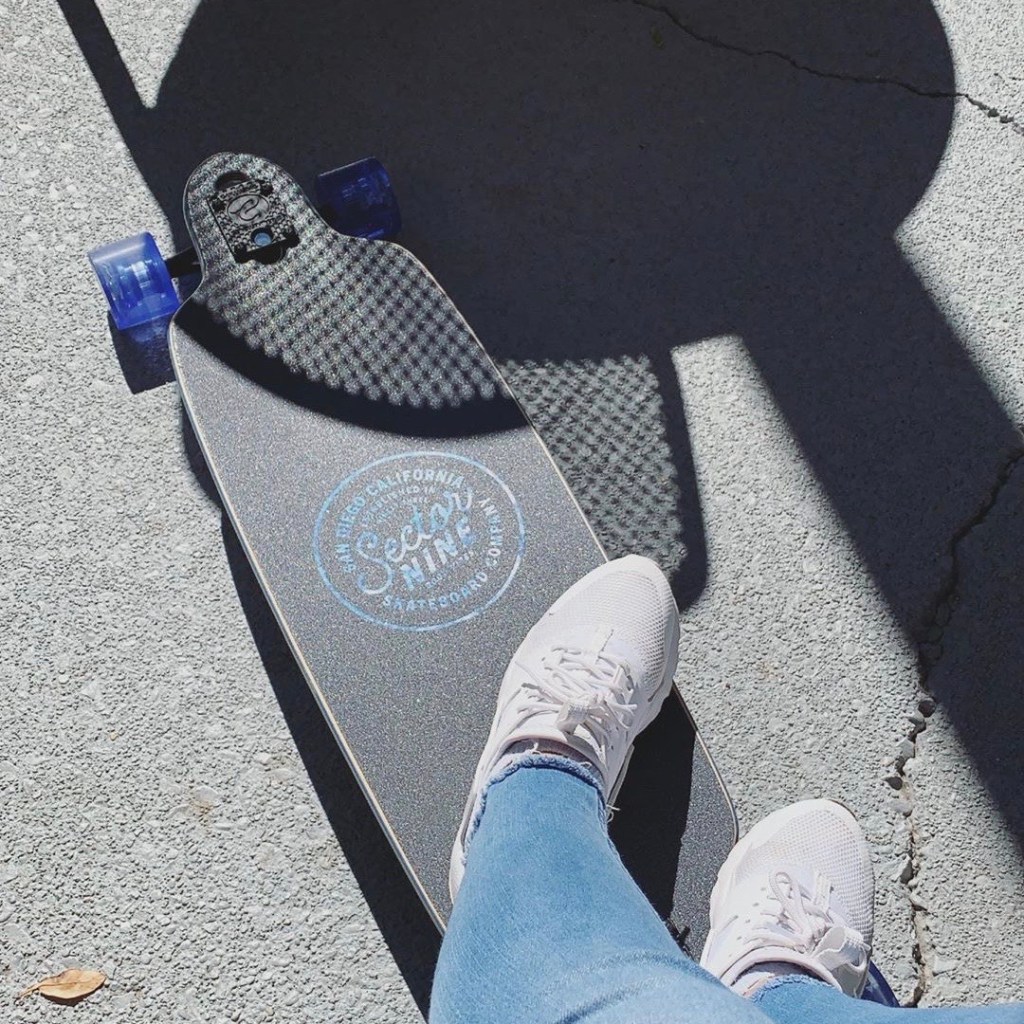
Start cooking. Try skateboarding. Go for mental walks, and make it a habit. Try soap carving or looming. Learn a Tiktok dance. It’s important to be in tune with your physical self. It’s easy to sit at a computer or on the phone for hours on end. Learning a *physical* skill or hobby helps you get up from your spot and become aware of your space and what you like doing.

There are a million little things that you can do during a quarantine such as reading a book, updating your resume, cleaning your closet, etc. These 8 things are unique to pre-health students and their learning culture and also helps with practicing mindfulness and staying complete during this period of quarantine and isolation.

April 30 Mindfulness – The Fall of Saigon

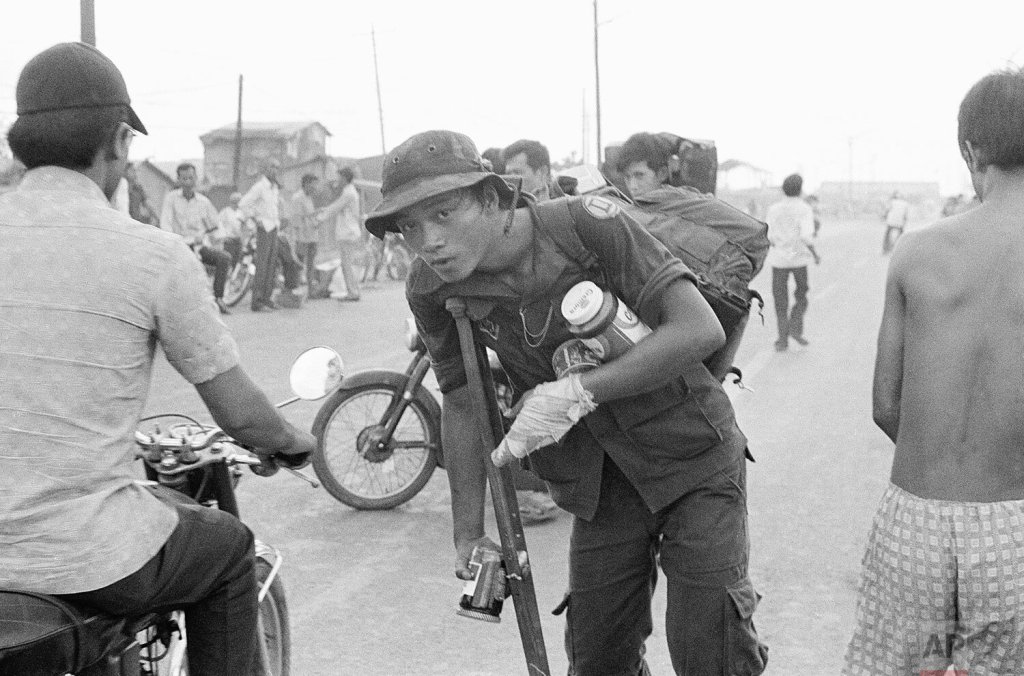
A crippled South Vietnamese war veteran limps away on crutch with food looted from abandoned U.S. installations after evacuation of Saigon, April 29, 1975. (AP Photo)

April 30, 1975. This date marked the end of the Vietnam War and has been an instrumental date to many Vietnamese lives. From that day, much of the Vietnam that my parents and grandparents knew was no longer there. As the government and political sphere in Vietnam changed, so did the mindset and attitude of many Vietnamese citizens.

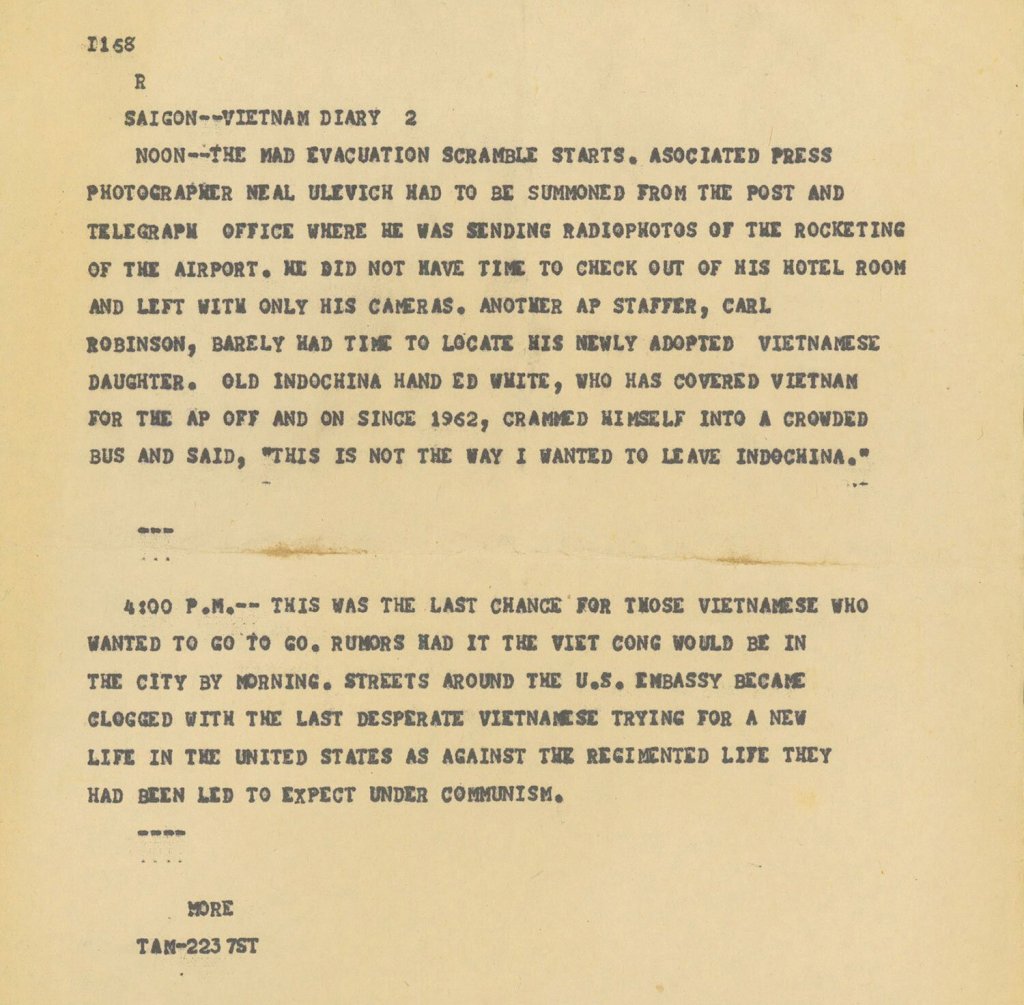
Associated Press wirecopy story by Peter Arnett and George Esper on the fall of Saigon, April 29, 1975 (page 2 of 3). (AP Photo/Corporate Archives)

The country formally reunited in 1976, and Saigon was renamed Ho Chi Minh City, in commemoration of the late North Vietnamese leader. This began a period of confusion, displacement, and despair.

The fall of Saigon prompted waves of Vietnamese immigration known as the “Boat People.” This diaspora of Vietnamese people throughout the globe still exists more than 45 years later and is one of the largest mass exoduses in modern history. My mother and my father were boat people. Both were in their twenties as they fled the country on rickety, make-shift boats and spent the following years transitioning from refugee camp to refugee camp. My father traveled with his older brother, but only he survived the journey. My mother was caught and arrested by the communist Vietnamese government several times before successfully reaching a shore willing to accept immigrants. After finding a man selling fake identification papers, my mother’s family was able to use their savings to buy new identities to travel. My mother’s new birthday was April 28, the day they began their journey of escape.

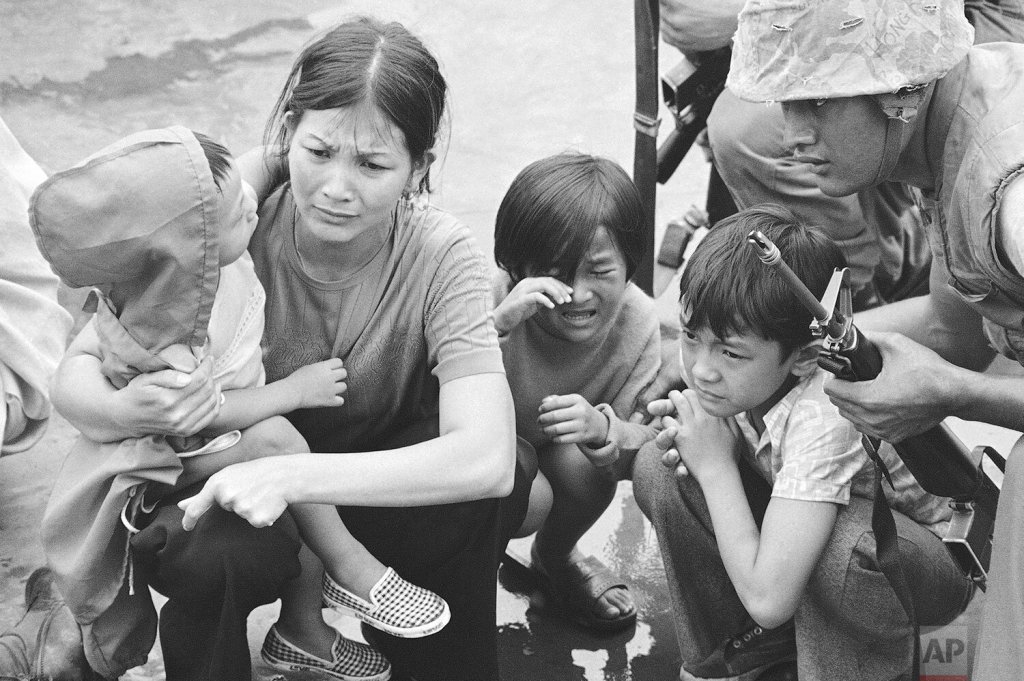
A weeping South Vietnamese mother and her three children are shown on the deck of this amphibious command ship being plucked out of Saigon by U.S. Marine helicopters in Vietnam, April 29, 1975. (AP Photo/J.T. Wolkerstorfer)

As thousands died en route on crumbling boats, on uninhabited islands, fell victim to vicious pirates of the South China Sea, or succumbed to tropical diseases, many were able to find new life in a new country far from home.

I was born in the United States. I am a Vietnamese-American, and I am the first generation born after the Vietnam War. As a college student, it is hard to remember that at my age, my parents and their generation were forced to flee from their home, now an unpredictable land with no structure or system to allow them to thrive. Furthermore, this divisive war had a profound impact on American history, that is so easily overlooked in this generation following the Vietnam War.

Evacuees board a boat on the Saigon water front in Saigon as PRG troops closing in on April 30, 1975. (AP Photo/Matt Franjola)

Part of practicing mindfulness is remembrance and respect. Each year, many VSA (Vietnamese Student Association) organizations across campuses honor this day; however, these activities have been affected as a result of the COVID-19 pandemic. In an effort to flatten the coronavirus curve, the Vietnamese community has taken to online measures as a way to commemorate this fateful day in history. An event organized by the Federation of the Vietnamese American Communities of the USA and other groups was hosted on Zoom on April 30, 2020 and drew viewers from across the globe as people virtually paid tribute to this solemn date in modern history. Huu Vo, president and the Vietnamese Community of Pomona Valley and chairman of the United Council of Vietnamese Homeland and Overseas, said “We’ve been here almost half a century. When we first came, we arrived empty-handed. Now, we’re settled and have found success in America and other countries… But we never forget Vietnam” (1). In Arlington, Texas, Hand in Hand Share Missions, a non-profit organization that serves mission trips to Vietnam, coordinated a recent event called the 1975 Meals to Heal Project to benefit healthcare workers. With a goal of $20,000 to provide meals for workers in nursing homes, hospitals, and testing sites in North Texas, the group wanted to give back to the community to honor the generation of exiled Vietnamese and to help those that are on the frontlines of this pandemic war (2).

This day was especially important in the very recent past and is still a fresh memory to many Vietnamese throughout the world today. As the first generation of Vietnamese following this era, it is important to pay tribute to this time and respect the hard work of those before, during, and after this momentous time.

References:

  1. Kopetman, R. (2020, April 30). Vietnamese community to hold first virtual commemoration of ‘Fall of Saigon’ due to coronavirus. Retrieved May 02, 2020, from https://www.ocregister.com/2020/04/29/vietnamese-community-to-hold-first-virtual-commemoration-of-fall-of-saigon-due-to-coronavirus/
  2. Desk, P. (2020, May 01). Arlington: 1975 Meals To Heal Project To Benefit Healthcare Workers. Retrieved May 03, 2020, from https://patch.com/texas/arlington-tx/arlington-1975-meals-heal-project-benefit-healthcare-workers

Design a site like this with WordPress.com
Get started